Ma ọ bụ iji zuru okè udi na size, melite storability ma ọ bụ chebe megide ọrịa, nduku breeders nwere aka ha zuru ezu nzute processor na n'ji ina.
Ndị ọkachamara ise na-enye nghọta banyere mkpa ha, na-ekwukwa banyere ihe na-agbada pipeline nduku n'ihe gbasara ụdị ọhụrụ - taa, echi na n'ọdịnihu adịghị anya. Mpaghara dị iche iche nwere mkpa dị iche iche, ya mere enwere mmemme ọmụmụ n'ofe mba ahụ. David Douches, onye na-edu mmemme ozuzu at Michigan State University, deals mostly with chipping varieties. His breeding program focuses on scab and PVY resistance for long-term storage.
“I feel like we’ve been making good progress in scab resistance and the virus resistance,” said Douches, who pointed to the program’s most recent release, Mackinaw (top photo and right). Mackinaw offers resistance to scab and PVY, and stores well all the way into early July. Processors will like that the variety is high in starch. The variety is currently being tested in field trials across the country. Douches said they’re also trying to add the PVY-resistance trait to other varieties.
N'ebe ọwụwa anyanwụ na New York, Walter de Jong Onye isi mmemme ozuzu na Mahadum Cornell, ebe o lekwasịrị anya n'ichepụta ụdị dị iche iche. Àgwà ndị o lekwasịrị anya karịsịa bụ ọdịdị na nha. O kwuru, sị, ndị na-ahụ maka ụlọ ọrụ na-achọ ụdị ndị dị obere, dị okirikiri nwere ọdịnaya starch dị elu nke na-enye ezigbo agba fry n'enweghị nchekwa. Nduku ndị pere mpe dị mma maka ndị na-arụ ọrụ na-achọ ire n'ime obere akpa.
Ha chọkwara ụfọdụ nguzogide skaab nkịtị. Akpụkpọ anụ nkịtị na-akpata olulu na tubers, na-eke ihe mkpofu n'oge peeling. De Jong kwuru, "Ọ dị oke ọnụ ijikwa. "Ọ gwụla ma ị gbanwee pH ala, nke na-akpata ụdị nsogbu ndị ọzọ." Ịzụlite maka iguzogide skaab nkịtị adịghị esi ike. De Jong kwuru, "Echere m na ezigbo ihe ịma aka dị na poteto na-achọkarị inweta ihe niile ndị na-akụ ahịhịa chọrọ, nke na-agaghị ekwe omume, yabụ na ọ bụ ihe na-edozi ahụ."
Ndị otu nọ na Cornell mepụtara New York 163, ụdị chipping ọhụrụ nke gosipụtara nkwa. Agba fry ya na-apụta na nchekwa dị ọkụ karịa ka ha hụtụrụla. Mana ụfọdụ ihe na-adịghị ahụkebe pụtara n'oge ule, n'agbanyeghị. Ụdị dị iche iche nwere mmasị ịmalite ọnya ma ọ bụ afụ n'oge frying. O kwuru, sị: "Amaghị mkpụrụ ndụ ihe nketa nke ọnya ọnya, mana ụfọdụ poteto na-enwekarị ya."
De Jong na-eche ka ọ hụ ma nsonaazụ ndị ahụ ga-emeghachi na ule n'ọdịnihu. Blisting bụ àgwà ha ga-aṅa ntị na n'ọdịnihu. De Jong bụ ihe pụrụ iche n'etiti ndị na-azụlite nduku America n'ihi na ọ na-elekwasịkwa anya na iguzogide nematode cyst ọla edo, nsogbu pụrụ iche nye ndị na-akụ New York. Golden cyst nematode bụ pesti iche iche nke nwere ike ịdị ndụ n'ime ala ruo afọ 30. O siri ike ịchịkwa, De Jong kwuru.
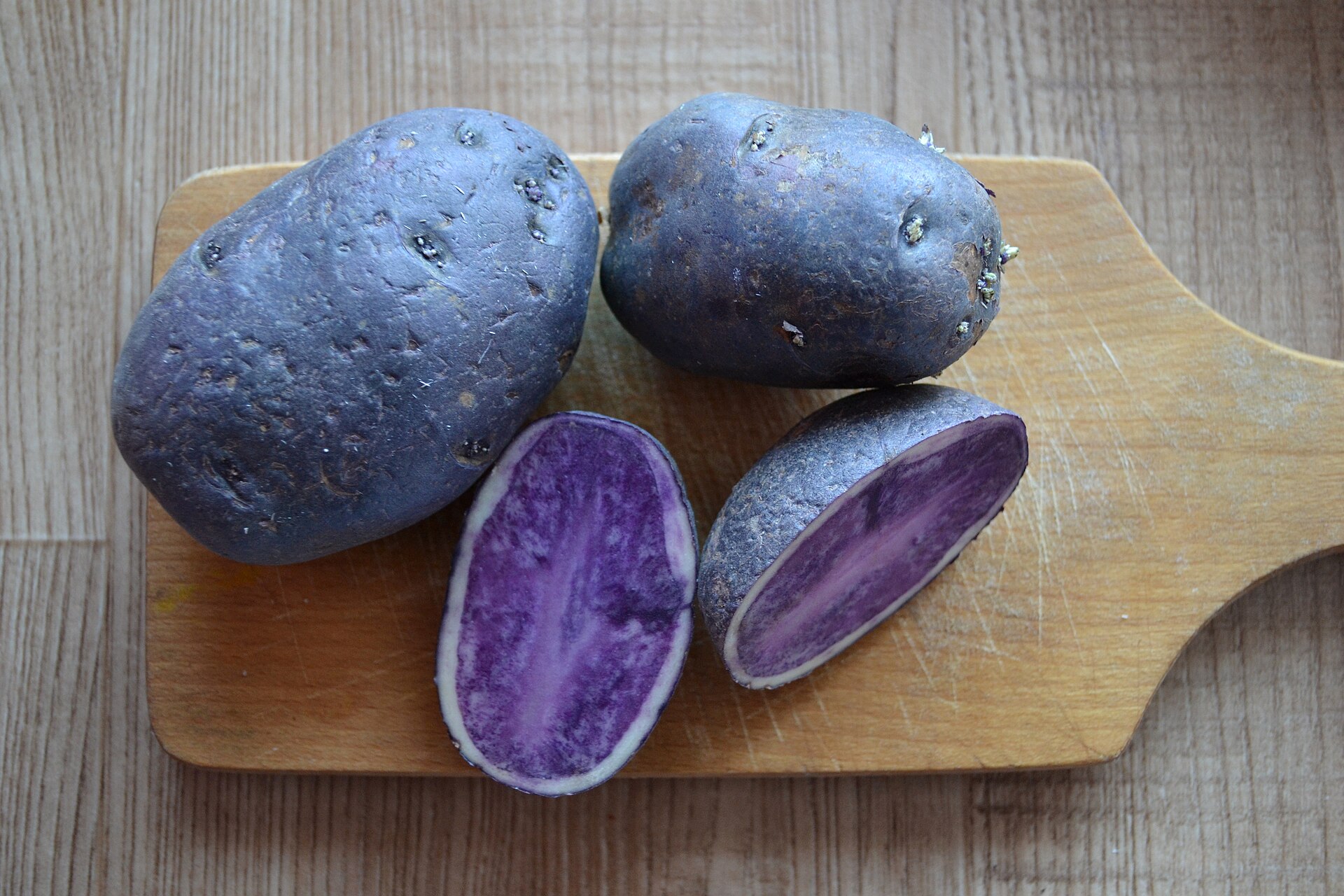
Ọ sịrị, "Ọ bụrụ na anyị ejighị ya na New York, mba ahụ niile ga-eche banyere ya." "Ọ bụ naanị n'ihi na anyị na-edobe ya ka ha na-ekwesịghị ịma. Ma mmadụ kwesịrị ịma.” N'ime ọrụ dị n'akụkụ, De Jong na-agbalị ịzụlite ụdị nduku nwere anụ oroma. Nduku nwere ụdị agba na-adọrọ mmasị anaghị anọchi anya akụkụ buru ibu nke ahịa ahụ, mana ha na-anọchi anya akụkụ nke ahịa, De Jong kwuru. N'oge a, ọ dịghị ụdị azụmahịa na anụ oroma.
Na North America, ihe kacha amasị bụ poteto ọcha, ọkachasị n'ahịa chipping na frying. Poteto ndị nwere anụ odo na-enweta uru ụfọdụ n'ahịa ọhụrụ, ka Jan van Hoogen, onye isi nchịkwa na ụlọ ọrụ ịzụ poteto Dutch kwuru. Agrico. Agrico na-amụ ihe fọrọ nke nta ka ọ bụrụ naanị ụdị anụ ahụ odo odo. Van Hoogen kwuru na pasent 10 nke ụdị tebụl na-acha odo odo na US bụ ndị na-azụ anụ Europe na-emepụta.
“In North America, everything is based on Russet Burbank, and it’s very difficult to find anything that comes close to it,” said Van Hoogen. “It’s a complicated market,” he said. “It’s a huge market, but it’s complicated.”
Robert Graveland, onye isi nyocha na HZPC, another major potato breeding company based in The Netherlands, agrees with Van Hoogen’s sentiment. North America is unique in its preference for white-fleshed processing potatoes and russet skin. European breeders, he said, focus on sustainability, so reducing the environmental footprint of the potato. Like most breeders, much of HZPC’s focus is on stability of yield and performance against stressors.
Ụdị PVMI ọhụrụ dị
The Potato Variety Management Institute (PVMI) nwere ụdị nduku ọhụrụ abụọ na-ekwe nkwa dị maka ndị na-akụ mkpụrụ, na ụdị abụọ na-ekwe nkwa na-agbadata na pipeline. Onye isi oche PVMI Jeanne Debons bụ onye na-ahụ maka ire ụdị ndị a na ndị na-emepụta ihe na ndị na-akụ mkpụrụ. Ndị na-akụ mkpụrụ, o kwuru, agaghị eto ụdị dị iche iche ọ gwụla ma ndị nrụpụta ekwupụtala mmasị. Ndị nhazi ekwupụtala mmasị na Galena Russet na Rainier Russet.
The first, Galena Russet, is a high yielding, medium-to-late French fry processing potato with attractive tubers. It has cold sweetening resistance and high protein content. A high percentage of its overall yield meets U.S. No. 1 grade. While dormancy length of Galena Russet is approximately 20 days shorter than Russet Burbank, it is more resistant to the viruses PVY, PLRV and tuber net necrosis than Russet Burbank and Ranger Russet. But it is slightly more susceptible to foliar early blight.
Nduku dị elu maka uto, Rainier Russet nwere mkpọ ọhụrụ dị elu yana nkezi tuber bụ ounce 10. Ọ na-enyekwa ogologo dormancy. Ọ bụrụ na e jiri ya tụnyere ụdị ọkọlọtọ, Rainier mepụtara pasentị dị elu karịa nke US No. 1. Ọ nwere protein dị elu, ọkwa antioxidant dị elu, ike ndọda dị elu, agba fry agba, ọkwa acrylamide dị ala, na ntụpọ tuber ole na ole n'ime na mpụga.
Maka ndị na-akụ mkpụrụ na-abụghị mkpụrụ, ụdị ndị a dị afọ atọ ruo afọ anọ. Ụdị abụọ a kwesịrị ịdị maka ndị na-akụ mkpụrụ n'afọ na-abịa. Maka ndị na-akụ mkpụrụ na-abụghị mkpụrụ, Debons gosipụtara mmasị abụọ dị iche iche: La Belle Russet na Pomerelle Russet.
Tụnyere Russet Burbank, La Belle Russet is an early to medium-maturing variety with good early-season yields of oblong-long, medium-russeted tubers and excellent dormancy. It also has greater resistance to tuber malformations and most internal and external defects. It’s an excellent storage potato that can be stored up to nine months, said Debons.
Pomerelle Russet bụ nduku na-eto n'oge, nke nwere ebumnuche abụọ na-amịpụta mkpụrụ n'oge dị obere. Debons kwuru na ọ na-emepụta tubers na-agbanwe agbanwe, na-adọrọ adọrọ nke na-eguzogide ntụpọ dị n'ime na nke mpụga. "Ọ nwekwara ezigbo nchekwa, ma eleghị anya ọ dịghị mma dị ka La Belle," ka o kwuru.
It maintains acceptable fry color for about 180-200 days in storage at 48°F, which indicates some potential for processing out of short-term storage. However, its primary use appears to be as a high quality, early fresh variety. Pomerelle Russet and La Belle were primarily fresh market potatoes, until McCain tested them. They’re suitable for both.
Ozi ndi ozo di na Akụkọ ihe mere eme nke PVMI.